
A Father’s Legacy
Here There Is No WhyChaim and Yoav’s relationship is shaped by Holocaust memory, military service, shame, and the son’s belief that his actions drove his father to death.
increasing Bearing strength in each event
 decreasing
Bearing strength in each eventdecreasingA Son in the Photograph

A Son in the Photograph
A family image
Judah sees Chaim and Zehava with young Yoav in a beach photograph. The image gives the public intellectual a private family life and makes the later reports about Yoav’s military crisis more intimate.
A fragile bond
Chaim speaks of his son with concern but offers little detail. Their relationship is already entangled with expectations, service, and the burdens of a family living inside Israeli history.
The Soldier’s Shooting
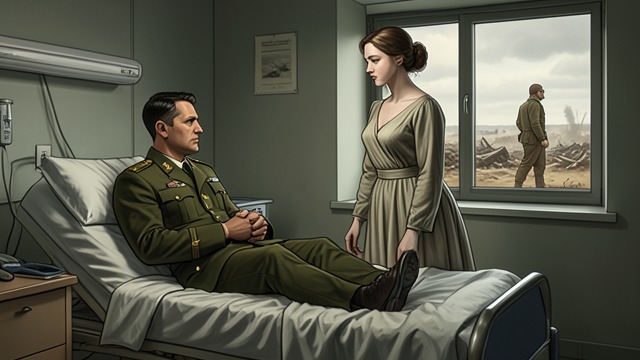
The Soldier’s Shooting
A catastrophic mistake
Yoav shoots two ten-year-old boys in Lebanon, believing they are armed fighters. The army investigates and holds him in a hospital, while his parents struggle with what happened.
Shame travels home
The incident becomes a moral wound for the family. Yoav’s fear and responsibility shape Chaim’s view of the war and later become central to Yoav’s explanation of his father’s death.
A Son’s Moral Story
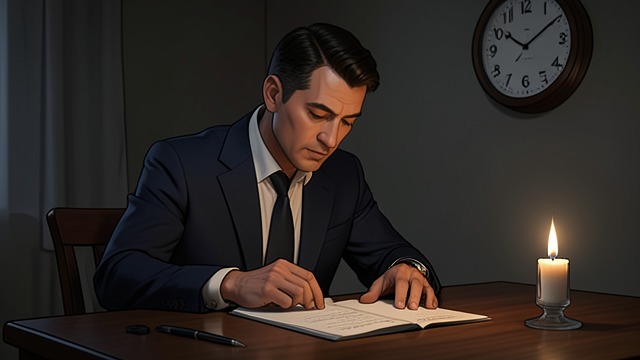
A Son’s Moral Story
The bystander returns
Yoav recounts Chaim’s correspondence with Otto Schiller, a former civilian supervisor at Buna who sought forgiveness. Chaim’s response distinguished preserving decency from restoring it after atrocity.
An unfinished ethic
Yoav says the letter was never sent and the intended conversation never happened. The story becomes a lens for the family’s unresolved questions about guilt, responsibility, and what a moral life demands.
The Son’s Explanation
The Son’s Explanation
Guilt made causal
Yoav says Chaim killed himself because he could not live with his son’s killing of the boys. He believes Chaim saw in the incident a terrible repetition of violence against children.
A suspect’s blind spot
Yoav’s account makes his own guilt the center of the death, yet he was imprisoned when Chaim fell. His emotional explanation does not explain the physical event or establish the official suicide ruling.
The Estranged Adult Son
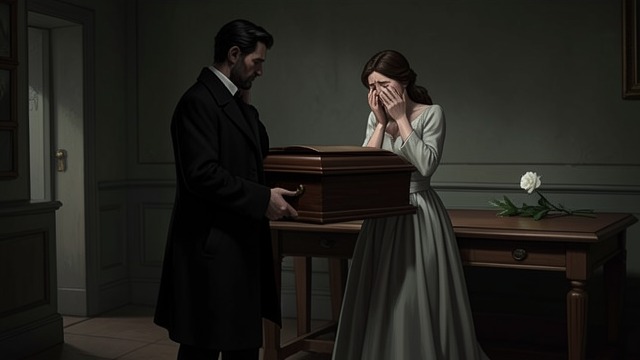
The Estranged Adult Son
A public mourner
At Zehava’s funeral, Yoav stands beside Michal and weeps during the eulogies. The scene places the adult son within a family history he once explained through guilt and military trauma.
What remains unresolved
The narrative does not show a reconciliation that settles his relationship with Chaim. His grief at his mother’s burial carries the continuing cost of a family whose central wound was never publicly named.
1982, before Yoav’s deployment
1982, during the Lebanon War
July 2005, during the Shabbat dinner interview
July 2005, after Hannah asks about Chaim’s death
September 2023, at Zehava’s funeral
